
This one is not about the famous movie. It is about the book that the movie was based on, written by Stephen King, no less! I did not know that until two weeks ago. Having read only one other King novel — Cujo — which was pretty scary, I was pleasantly surprised that the king of horror/thriller also wrote this uplifting, humanistic tale of hope.
I saw the movie more than 20 years ago, and just loved it! What a story! What an ending! It’s been my favourite movie ever since, and it’s still been unchallenged at the top of the IMDb list all these years! If you have not seen it, drop everything else you are doing, and watch it tonight.
It’s hard to write this one without spoilers. I will try.
There are several themes here that one could write about. But let’s talk a bit about the central one: hope. Having grown up with the teachings of Krishnamurti, hope was never a big part of my psychological framework. I learnt to think about hope as a projection, a movement away from the present and what-is. That did not stop me from hoping, though. I was hoping all the time — for a letter from a friend, to get into the college of my choice, and for India to win a cricket World Cup. While I experienced hope palpably on a daily basis, my mind would reject it as a flight of fancy. Stuff of life, yes, but ultimately quite trivial, and essentially selfish.
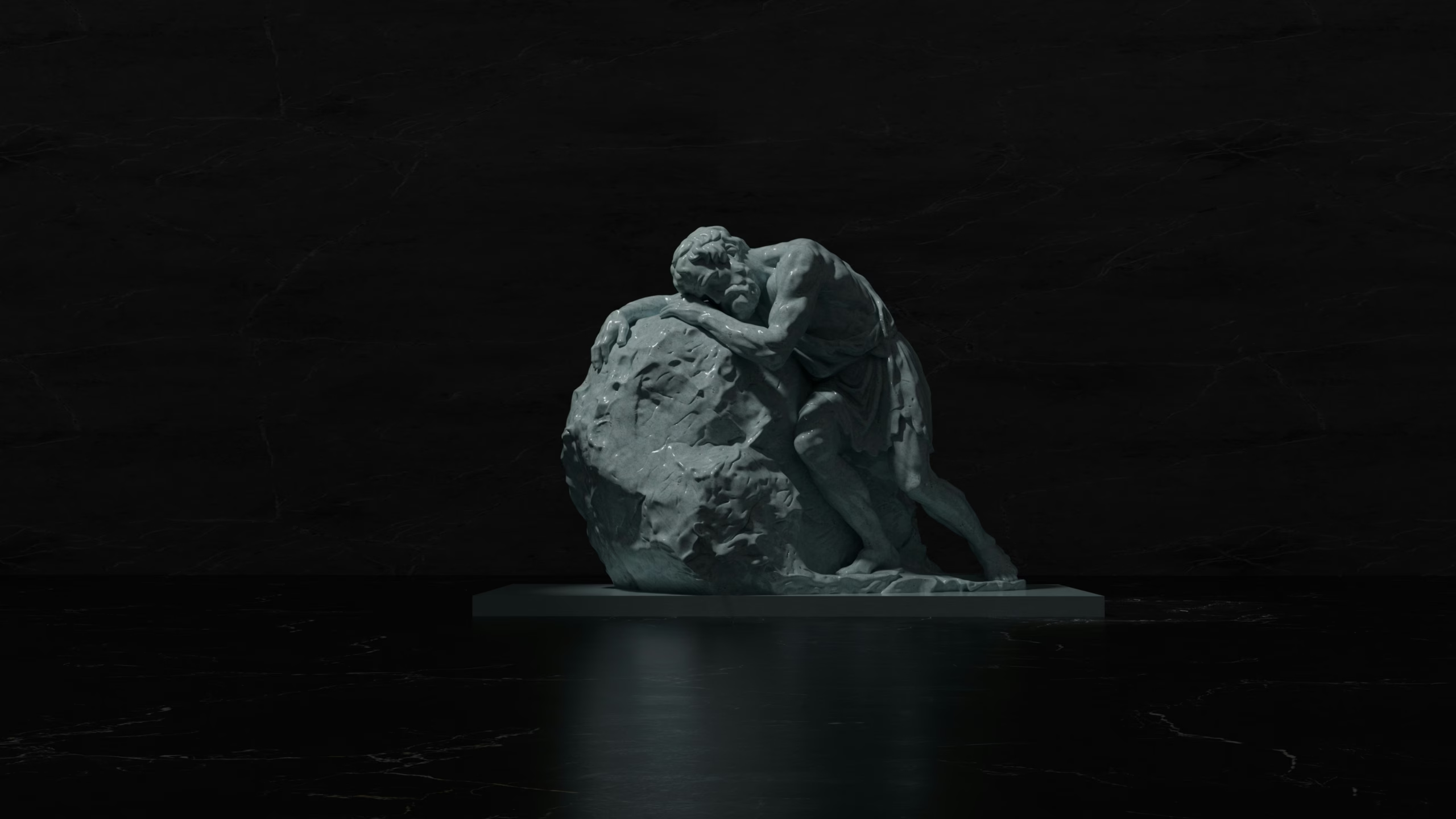
The book, however, has a different take on hope. It is linked to the experience of freedom: the possibility of escaping from a high-security prison, and to have a life outside it again. Also, more importantly, to have that sense of freedom even while one is imprisoned. Goes back to Albert Camus’ The Myth of Sisyphus:
The struggle itself toward the heights is enough to fill a man’s heart. One must imagine Sisyphus happy.
Despite being condemned to endlessly roll a boulder up a hill only to see it roll back down, and to start all over again, Sisyphus has the freedom to not be crushed by the mindless repetition of an obviously meaningless existence. While the Gods may imprison him, they cannot decide how he responds to his imprisonment.
One of the books that created a significant shift for me in the last three years was Victor Frankl’s Yes to life, in spite of everything. He asserts that even when external circumstances — such as imprisonment in a concentration camp — strip away all possessions, status, and physical safety, a person retains the ultimate freedom to choose their attitude and response. Few of us face such extreme situations, but when we do face our own set of challenges, discovering this freedom within is our way through those challenges.
The two principal characters in the book also find that inner space within them that is untouched by external circumstances, and the external freedom they seek is preceded by a complete acceptance of their circumstances, quite different from resignation, and that is their quiet unseen rebellion.
A friend and I were talking about purpose yesterday — how it can galvanize people to do seemingly impossible things. We were talking about it after watching the latest version of Ramayana and how the first part ends with Rama finding his purpose — to bring back Sita — and how that singular focus gives him energy to do whatever it takes. In this instance, Rama refuses to be helpless in the face of a cruel twist of fate, and vows to create his own destiny.
He who has a why to live can bear almost any how
– Friedrich Nietzsche
This book came to me at an interesting time, as my sense of outer purpose has been elusive for a while. The erstwhile reasons have faded, and newer ones have not taken their place. The inner purpose is clear, but there is a lack of alignment between the inner and the outer. Wonder why that is. Perhaps the inner purpose needs to be deepened further, or maybe the timing is not yet ripe for its outer expression. For now, I wait and watch, and in the meantime, do what I need to do.
Like the hero of the book Andy Dufresne, one has to learn to play the long game:
Andy smiled his small, composed smile and asked Stammas what would happen to a block of concrete if a drop of water fell on it once every year for a million years.
Or, as his friend Red says, one could:
Get busy living or get busy dying.
Featured Image: Photo by Diego Sanchez on Unsplash